
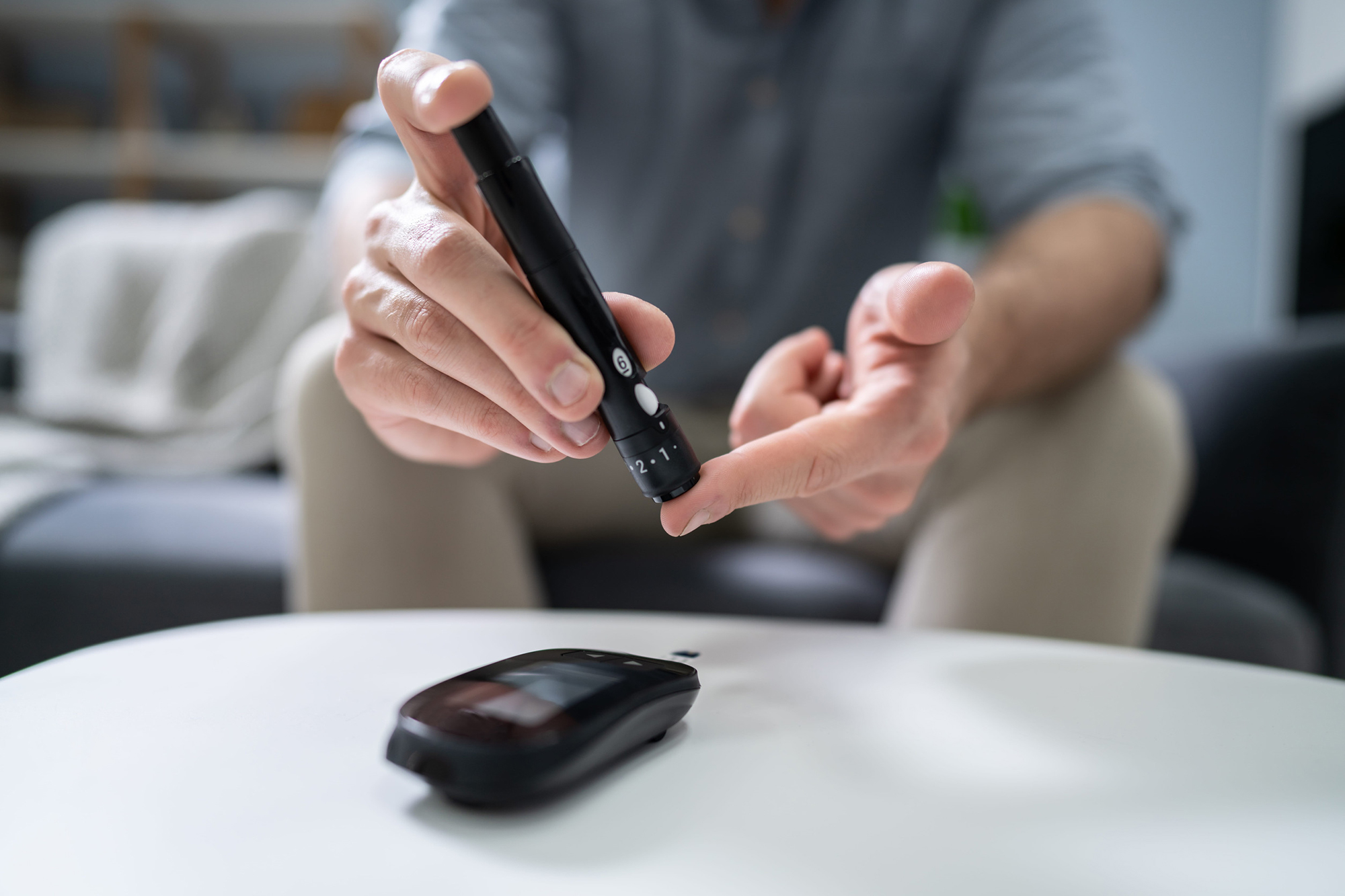
Diabetes care used to rely heavily on finger-prick testing, strict schedules, and constant guesswork is being reshaped by smarter tools, better medications, and a deeper understanding of how the body responds in real time. If you haven’t revisited how diabetes is managed in a few years, the changes might surprise you.
While the headlines often focus on breakthroughs, the real story is how these advancements are quietly making everyday life more manageable. This is where your pharmacist and local pharmacy play a bigger role than most people realize.
Smarter Technology Is Changing Daily Life
The biggest shift in diabetes care right now is how much of it is becoming automated.
Continuous glucose monitors (CGMs) are leading that change. These small wearable devices track blood sugar levels throughout the day and send the data directly to a smartphone. No more constant finger pricks, and more importantly, no more guessing.
Demand for these devices has surged in recent years, driven by the convenience of “finger-prick-free” monitoring and improved access through insurance coverage.
Today’s most advanced systems combine CGMs with insulin pumps and smart algorithms to create what’s often called an “artificial pancreas.” These hybrid closed-loop systems automatically adjust insulin delivery based on real-time glucose readings, reducing the mental load of managing the condition. In simple terms, the system is doing part of the thinking for you.
Newer systems in development use adaptive learning, meaning they improve over time by analyzing your personal data and habits.
Less Invasive, More Accessible Monitoring
Another major shift is accessibility. Traditionally, advanced diabetes tech was reserved for people using insulin, but that’s changing. New over-the-counter CGM options are emerging for people with type 2 diabetes who don’t use insulin, giving more people access to real-time insights about their health.
There are also longer-lasting sensors now entering the market. Some implantable monitors can track glucose levels continuously for up to a year, reducing the need for frequent replacements and improving convenience.
These changes matter because they lower the barrier to better care. More access means more people can understand how food, stress, and activity affect their blood sugar, and make adjustments before problems arise.
New Medications and Treatment Approaches
Technology gets a lot of attention, but medication is evolving just as quickly.
New insulin formulations are designed to act faster and more predictably, helping to control blood sugar spikes after meals. At the same time, long-acting insulins now offer more flexibility, reducing the risk of overnight lows and making daily routines easier to manage.
Beyond insulin, newer drug classes are expanding treatment options for people with type 2 diabetes. Some medications now support both blood sugar control and weight management, addressing two key aspects of the condition at once.
Researchers are also exploring once-weekly insulin injections and combination therapies that target multiple metabolic pathways simultaneously. These approaches aim to simplify treatment while improving outcomes.
The direction is clear. Fewer injections, more flexibility, and treatments that work with your lifestyle rather than against it.
Data Is Driving More Personalized Care
One of the most important changes isn’t visible at all. It’s happening behind the scenes in how data is used.
Modern diabetes devices generate a constant stream of information. Blood sugar trends, insulin usage, activity levels. When this data is analyzed properly, it allows for far more personalized care.
Artificial intelligence is beginning to play a role here, helping predict blood sugar changes and recommend adjustments before issues occur. Researchers are even developing “digital twin” models that simulate how a person’s body might respond to different treatment strategies.
It’s a shift from reactive care to proactive care. Instead of responding to high or low blood sugar after it happens, the goal is to prevent it altogether.
The Role of Your Pharmacist Is Expanding
With all this innovation, it’s easy to assume diabetes care is becoming more complex. In reality, it’s becoming more supported.
Your pharmacist is often the most accessible point of care when navigating these changes. They can help you understand new medications, troubleshoot device issues, and make sense of the data coming from modern monitoring tools.
They can also identify potential interactions, adjust medication timing, and ensure you’re using your treatments effectively.
In many cases, a quick conversation at your pharmacy can clarify what might otherwise feel overwhelming.
And as technology continues to evolve, that guidance becomes even more valuable.
What This Means for Everyday Life
All of these advancements point toward one goal. Making diabetes easier to live with.
Less guesswork, fewer disruptions, and more confidence in daily decisions.
People using automated insulin delivery systems often report reduced stress and improved quality of life. That’s not a small thing. Managing diabetes has always required constant attention, and anything that reduces that burden has a meaningful impact.
At the same time, better access to data means more informed choices. You can see how your body responds, adjust in real time, and avoid the highs and lows that used to feel inevitable.
The Takeaway
Diabetes care is moving toward something smarter, more personalized, and more manageable than ever before. Technology is reducing the mental load, medications are becoming more flexible, and data is turning into actionable insight.
The best outcomes come from combining these tools with the right guidance, and that often starts with a conversation at your pharmacy.
If you or a loved one is managing diabetes, visit us today and speak with a pharmacist to explore the latest tools and treatments that could make daily care simpler and more effective.